
Hopes and challenges for the success of restoration in northeast Madagascar: land ownership and managing diverse actors
Landscape restoration is a high priority in Madagascar, and in the northeast, diverse actors in the SAVA region are racing to reverse the loss of forest and biodiversity. Their goals include returning ecosystem services including provisioning of fuelwood and timber as well as natural ecosystem recovery. There are dozens of local authorities and thousands of community members who actively engage in tree planting. True restoration does not end once the trees are planted, however, but should have a comprehensive action plan that includes preparation, monitoring, maintenance, and evaluation, sharing responsibilities and benefits, and long-term sustainability plans.
That is why the Demand for Restoration project seeks to answer
1) what is the demand for restoration in Madagascar?
2) how can future efforts align the demand of diverse actors to restore landscapes with inclusive distribution of benefits, such as nature’s contributions to people?
In Subproject C, conservation organizations in three regions of Madagascar are engaging interest groups to study restoration demand and effectiveness, as well as co-design projects to maximize future efforts. In the SAVA region, we visited over 70 sites, interviewed the key managers of the restoration sites and held focus groups with communities. This allowed us to identify the goals, actors involved, land tenure status, management responsibilities, and major challenges in these areas. The willingness of local communities to lead restoration projects gives us hope for all actors to achieve their objectives.
Key variables that we observed are important to successful and sustainable restoration are land ownership and rights, and the level of involvement of diverse actors. We illustrate how these variables relate to restoration success by examining a subset of sites as case studies (see below for details on five sites). Comparing these five cases, we see immediate differences between those that are privately owned, in which individuals own the land and take responsibility for management, and sites that are considered community land, in which members of the settlements around the sites are engaged to varying degrees in the efforts. In terms of challenges, those privately-owned sites reported few land conflicts, though there is occasional trespassing to collect small trees or the spread of uncontrolled fires from neighbouring land. In contrast, community-managed lands have several challenges; the land ownership and rights are contested, leading to encroachment. Those who claim rights to farmland within the sites often use fire in their agriculture, and uncontrolled fires have burned years of restoration efforts. These land tenure and land rights issues pose serious threats to the success and sustainability of the restoration projects.
In addition to land rights, we noticed clear differences in how different actors engage to perform restoration. When private owners are involved, they make most or all decisions about the goals and actions taken to achieve the goals. They engage other actors selectively; e.g., one private land owner engages international organizations for activities and funding, and in addition to their own revenue generation, can hire paid laborers for activities. In the second case of privately-owned land, the owner hires paid laborers for activities, and local community members approve of the owner’s efforts. When uncontrolled fires from neighboring farmland spread in his site, his fellow community members helped to extinguish the fires. In contrast, communities have variable interactions with external actors; in some cases, there is heavy investment from external actors in terms of financial assistance, while in one case, there was almost no external investment until last year. The external investments certainly make an impact; in the two cases with high external investment, over 100,000 trees have been planted on over 100 hectares, and the area has been protected such that there is clear regeneration of tree cover. We were especially impressed by one case (Ambatomironkona, described below) where the community alone planted trees and protected the land from fire and overuse for almost 40 years, resulting in a forest that is ecologically maturing.
To overcome challenges, the solutions we envision include written partnership agreements among the relevant interest groups that clearly articulate the goals, land ownership and rights, benefits distribution, roles and responsibilities of all parties. Exhaustive community and interest group mapping will identify all relevant actors and we will create oversight committees that unify individuals from different levels; e.g., representatives from the local communities, the local administrative authorities, the local and regional environment authorities, any external actors, and strive for gender equity. Workshops will bring these committees together for action planning, clearly defining roles, leaders, deadlines, and indicators to monitor. These workshops will result in written agreements and action plans that are signed by all parties to initiate a new phase of collaborative and resilient restoration.
We thank the Swiss National Science Foundation for the funding to conduct this research, and all our collaborators on the Demand for Restoration project, including University of Zurich, Wageningen University, University of Antananarivo and Mahajanga, Ala Tsy Marefo, Tropical Biodiversity Social Enterprise, and INDRI.
Case study background
Five sites were selected as a case study of the themes described above:
Ambanitaza :
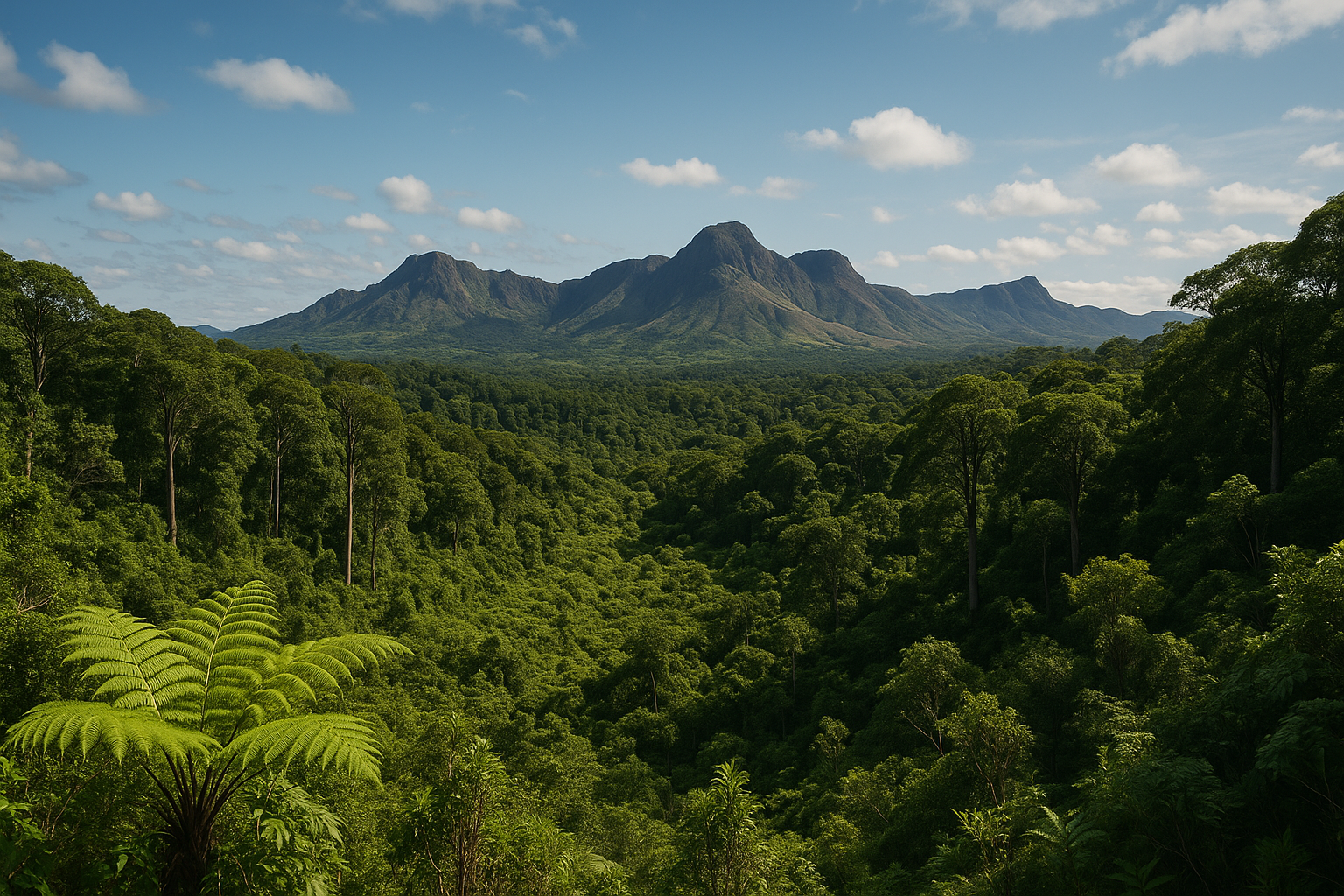
A mountain with a mosaic landscape of remnant forest fragments and large open areas of bracken fern and spear grass after the passage of cyclones, fires, and overharvesting. The land is technically government owned and managed by the Ministry of the Environment and Sustainable Development. A local community association is in the process of requesting legal transfer of management (VOI), with a conservation NGO supporting them and engaging the relevant government actors. Association members are involved in all stages of restoration (from planning to site maintenance), with technical and financial assistance from the NGO.
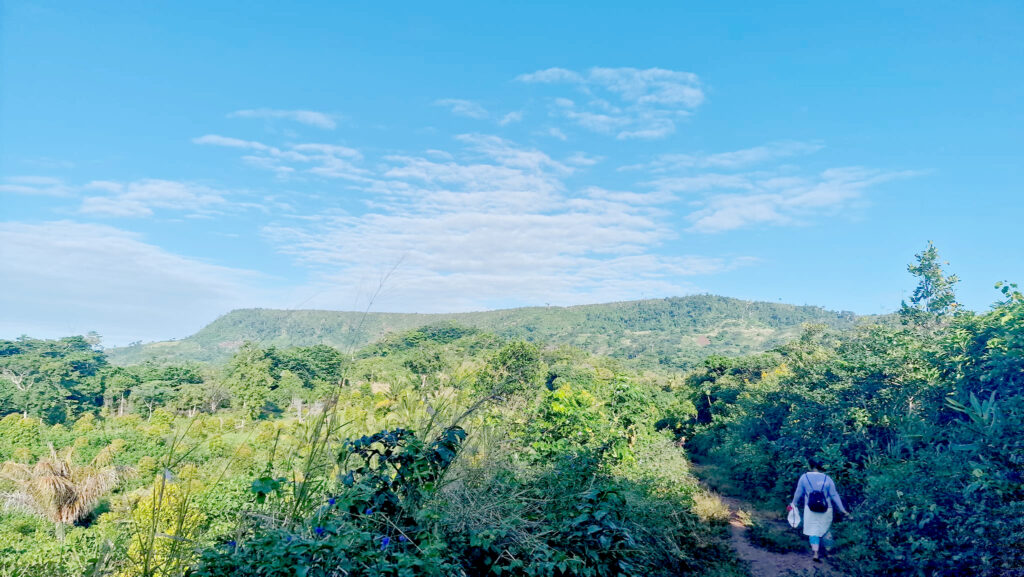
View on the east side of the Ambanitaza restoration site
Ambatomironkona :
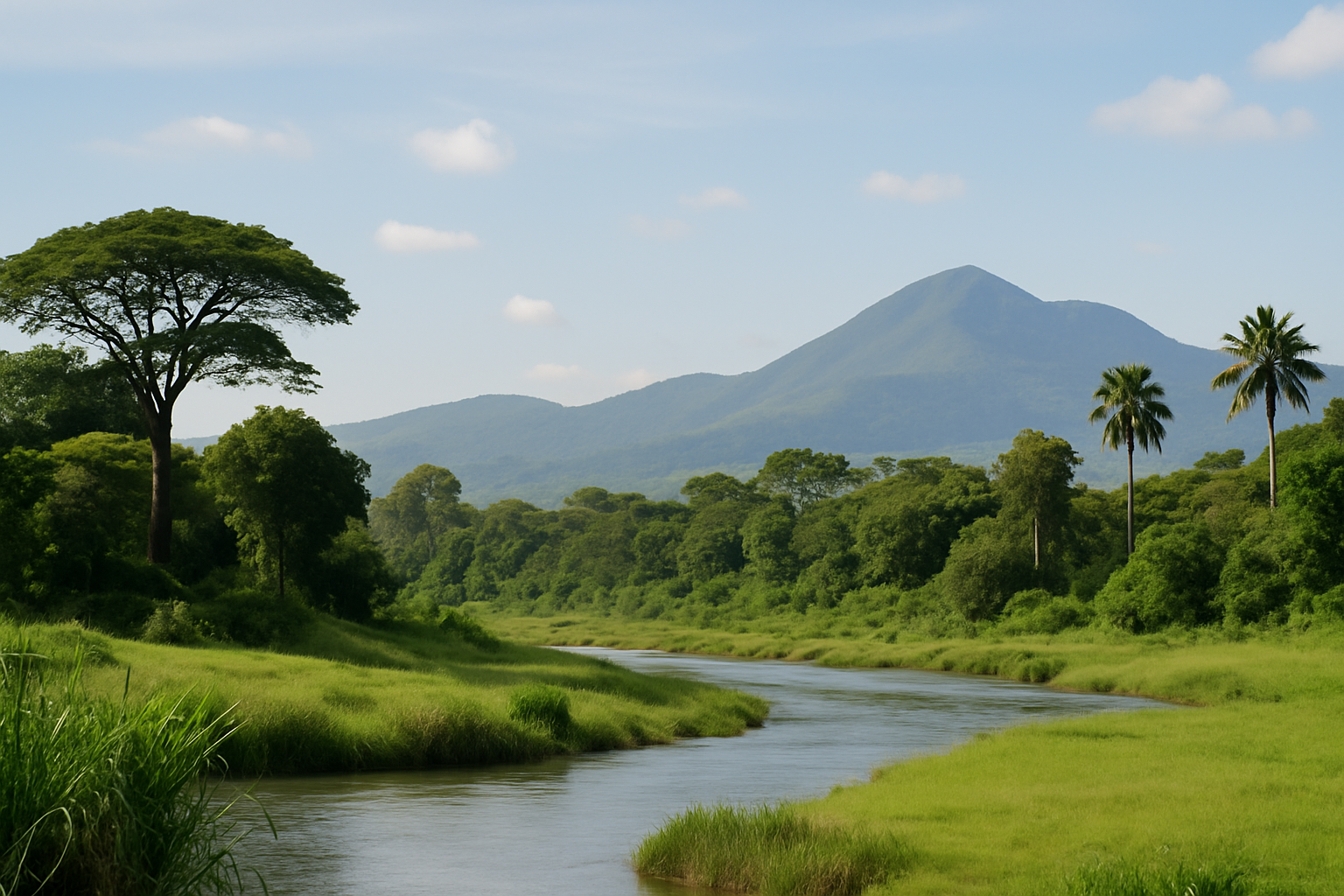
A mosaic landscape of regenerating forest and woody savanna that was previously used for grazing. It is technically owned by the government, but the community members in the neighboring village treated it as community-managed land, with active involvement beginning in the 1980s, and protecting the area from fire and grazing until now. In 2024, a conservation NGO partner began supporting them in the restoration project.
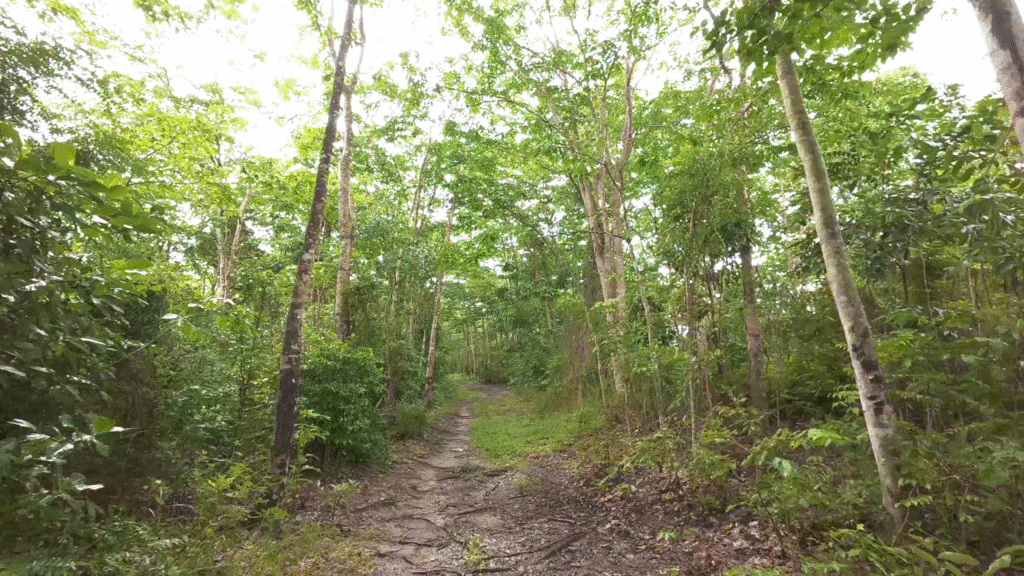
Image of the landscape in Ambatomironkona
Antanambao John :
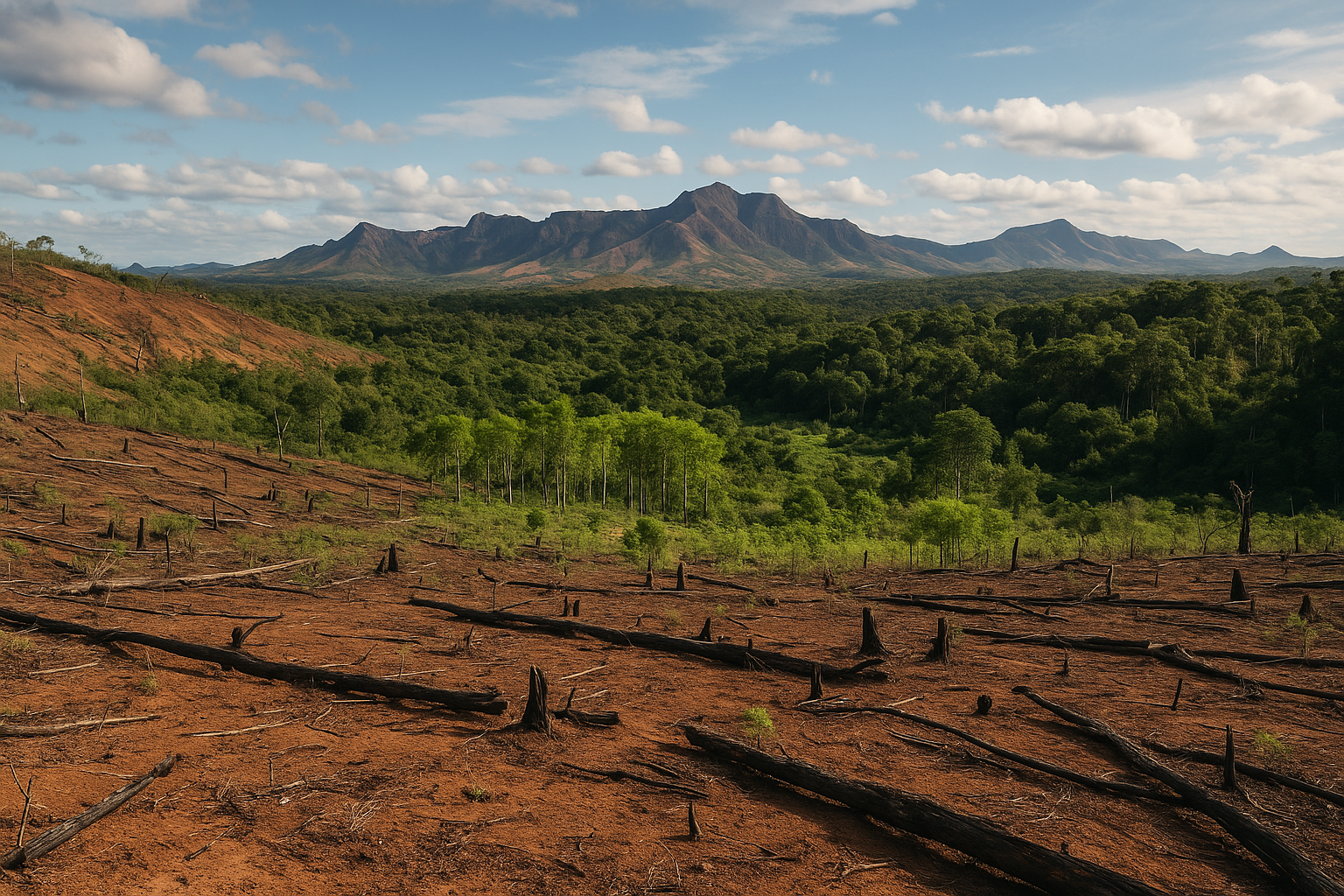
A mixed woody savanna that was previously used for grazing, with regular burning. It is owned by the government, though the local commune which regulates land use manages it as community land, with many valleys occupied by individuals under unofficial ownership. This restoration project was initiated by an international conservation organization in 2013, and since 2024, a local farming cooperative was created by a private sector spice company with objectives of being forest positive.
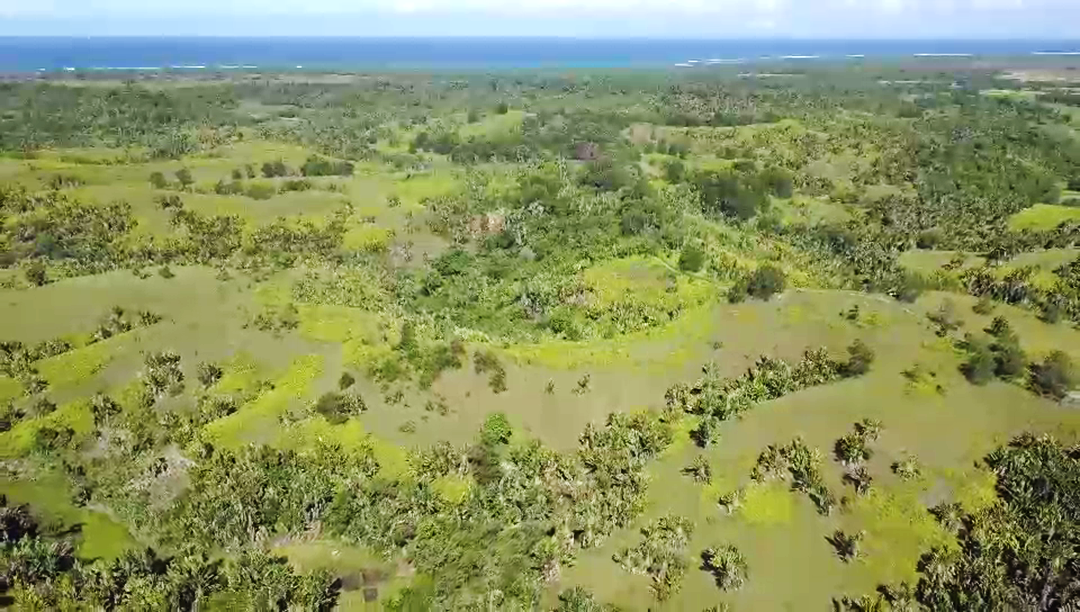
View of Antanambao John restoration site
Macolline Botanical Reserve :
Two patches of forest on hills in otherwise urban and peri-urban landscapes, privately-owned with official deed and in many areas fenced to demarcate the limits. Macolline has multiple international partners who support several community development and ecological restoration projects. There is comparatively less engagement of local communities than in the other sites
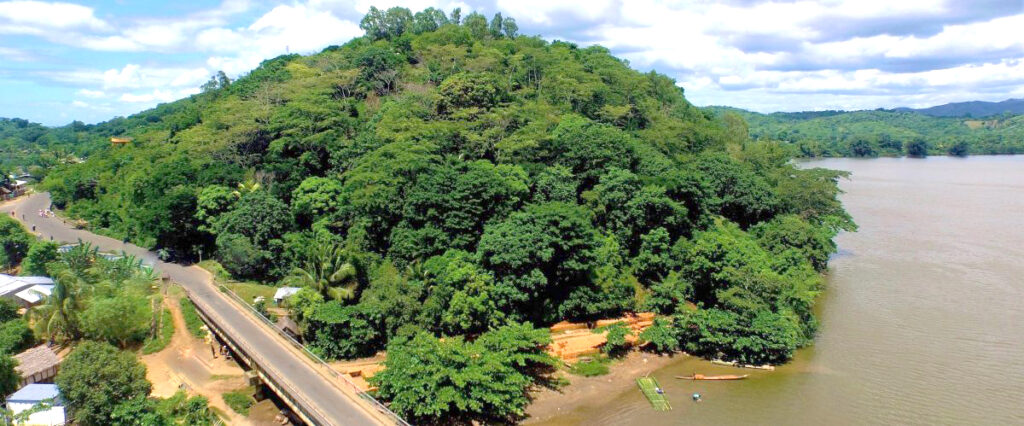
View of the Macolline Antalaha, from the north
Antsahamirosa :
A private land recognized by customary law, not officially titled. This site is surrounded by agriculture, such as rice paddies, vanilla fields, and vegetables farms. The land owner is the only actor responsible of the site management, who paid community member to assist him with activities like transporting and planting seedlings. The involvement of local communities is limited, and uncontrolled fires from the surrounding farmlands threaten the site. The owner installed a firebreak as a preventative measure to protect the site from uncontrolled fire.
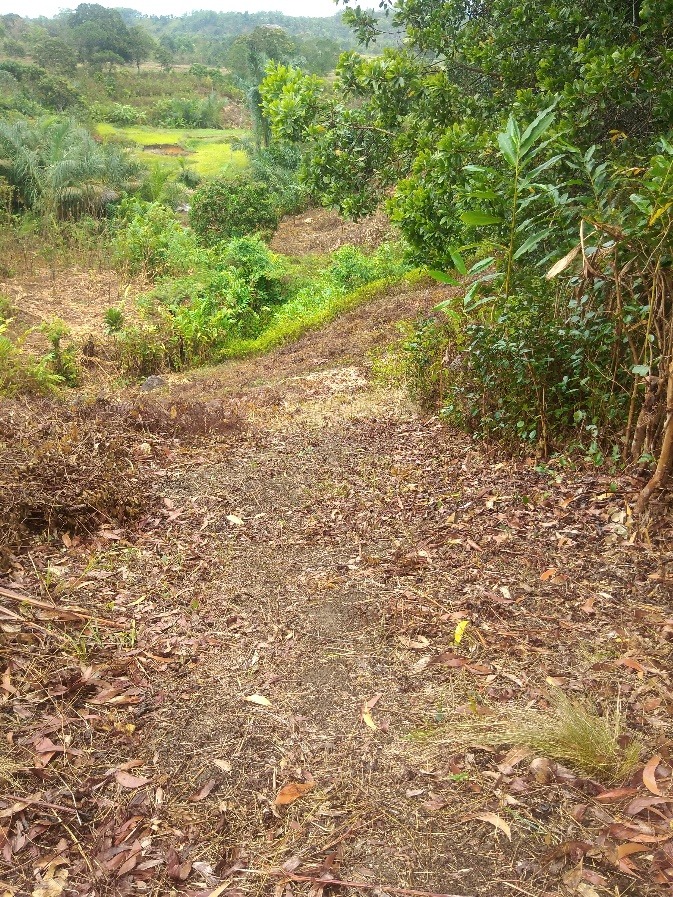
Firebreak in Antsahamirosa
Authors : Dr. Marie Rolande Soazafy and Dr. James Herrera, Duke Lemur Center – DLC SAVA Conservation

 estelle.raveloaritiana@geo.uzh.ch